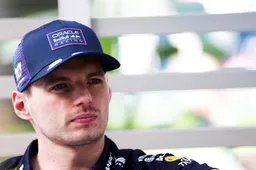
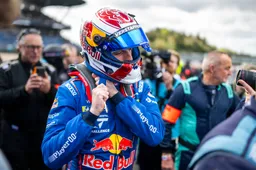
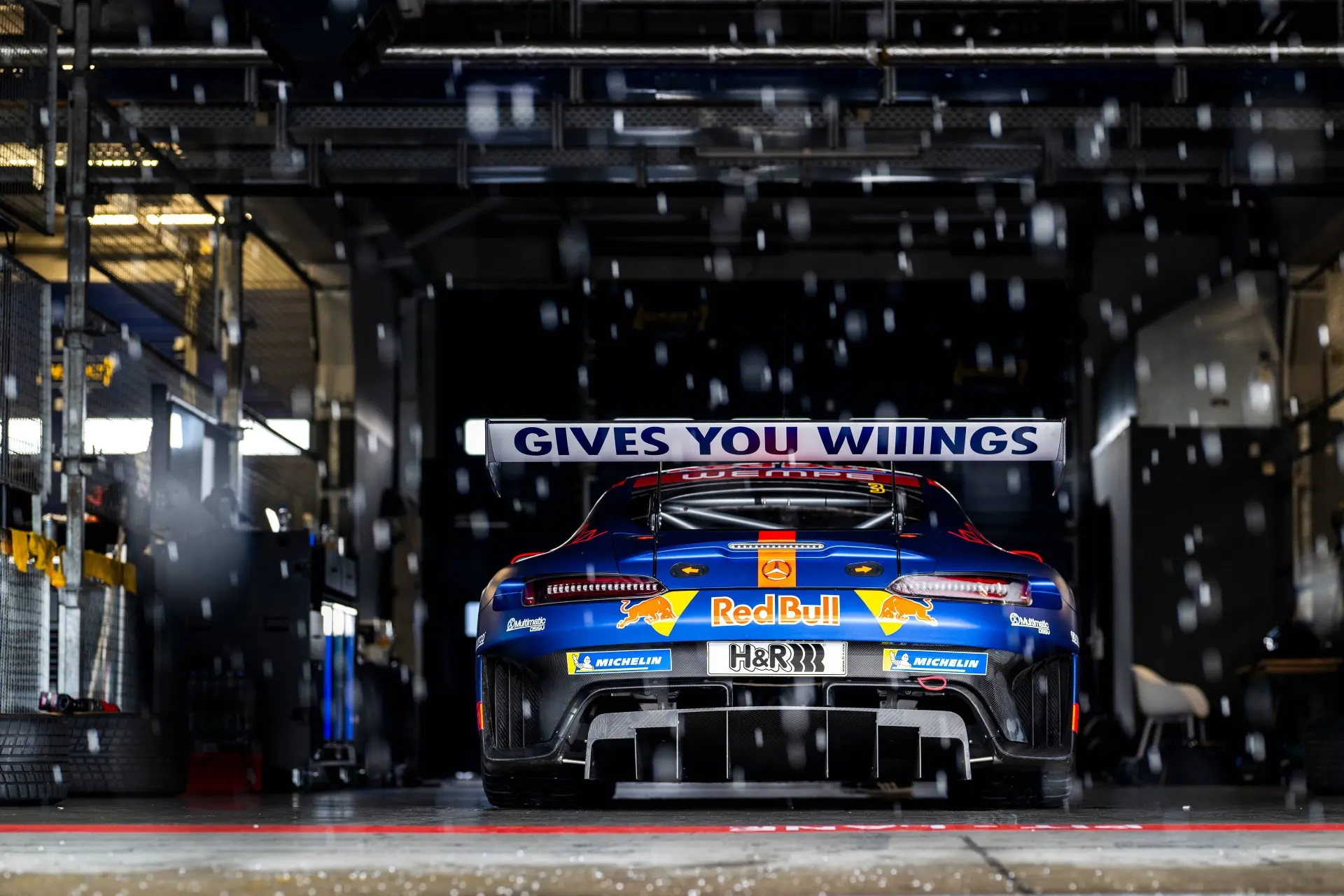
Verstappen Racing has played the BoP game well: the Nordschleife adjusts the competition

Shanna is a Formula 1 journalist at GPblog, specializing in both F1 and endurance and GT racing. With a Master’s degree in Journalism and experience at international circuits, she provides in-depth, reliable coverage and insights based on her presence at Grands Prix and racing events worldwide.
After the Top Qualifying sessions on Friday afternoon, the technical committee of ADAC Nordrhein implemented the first Balance of Performance (BoP) changes. Verstappen Racing’s rivals could feel the effects of these adjustments as the race gets underway.
BoP is applied to create a more level playing field. Adjustments can be made in several areas: adding weight, adjusting aerodynamics, reducing turbo pressure, and more. On Friday, both Lamborghini Huracáns locked out the front row, with the #130 ABT Motorsport car set to start from pole. Since the Italian manufacturer stormed around the Nordschleife with incredible speed, they have been subjected to many changes to reduce the performance of their car to level the playing field.
The Lamborghini will start the race 15 kilograms heavier, with weight increased from 1320 kilograms to 1335 kilograms. The engine restrictor has also been reduced by half a millimeter: from 50.5 millimeters to 50.0 millimeters. Surprisingly, BMW has also been addressed. The German manufacturer didn’t shine during qualifying, yet still receives an additional ten kilograms and now sits at 1340 kilograms. Porsche gets five kilograms added and is now 1350 kilograms.

BoP changes ahead of the N24 - Source: ADAC Nordrhein
Rumors circulated on social media claiming that the Mercedes-AMG GT3 also received a BoP penalty in the form of extra weight. However, that is not correct, as the weight of the Mercedes-AMG GT3 has not been adjusted since NLS1. At 1355 kilograms it is indeed one of the heaviest cars, but that has been the case since March. The Mercedes-AMG GT3, including the one from Verstappen Racing, has not received a BoP adjustment for the 24-hour race (so far).
ADVERTISEMENT
Small tweak for Ford
There’s also a minor change for the Ford Mustang GT3 Evo. Three Mustangs are in the field, one of which is driven by Dutchman Colin Caresani. He is in the #65 Mustang from HRT. The American manufacturer has had a small adjustment to the engine restrictor. It is now one millimeter smaller: from 36 millimeters to 35 millimeters. These are small changes, but they can still affect the pressure and output of the power unit.
Beyond that, no further BoP changes have been implemented yet. This could still happen, for example tonight, if it turns out one manufacturer is still particularly fast. Based on the car data, the technical committee can then intervene and, for instance, change the wing angle or add weight. It’s important to remember that BoP is not ‘caused’ by a single car nor applied to just one car. If a change does come for Mercedes-AMG, it will apply to all Mercedes-AMG GT3s in the race.

Adjustments for Porsche and Ford - Source: ADAC Nordrhein
Verstappen Racing plays it smart
ADVERTISEMENT
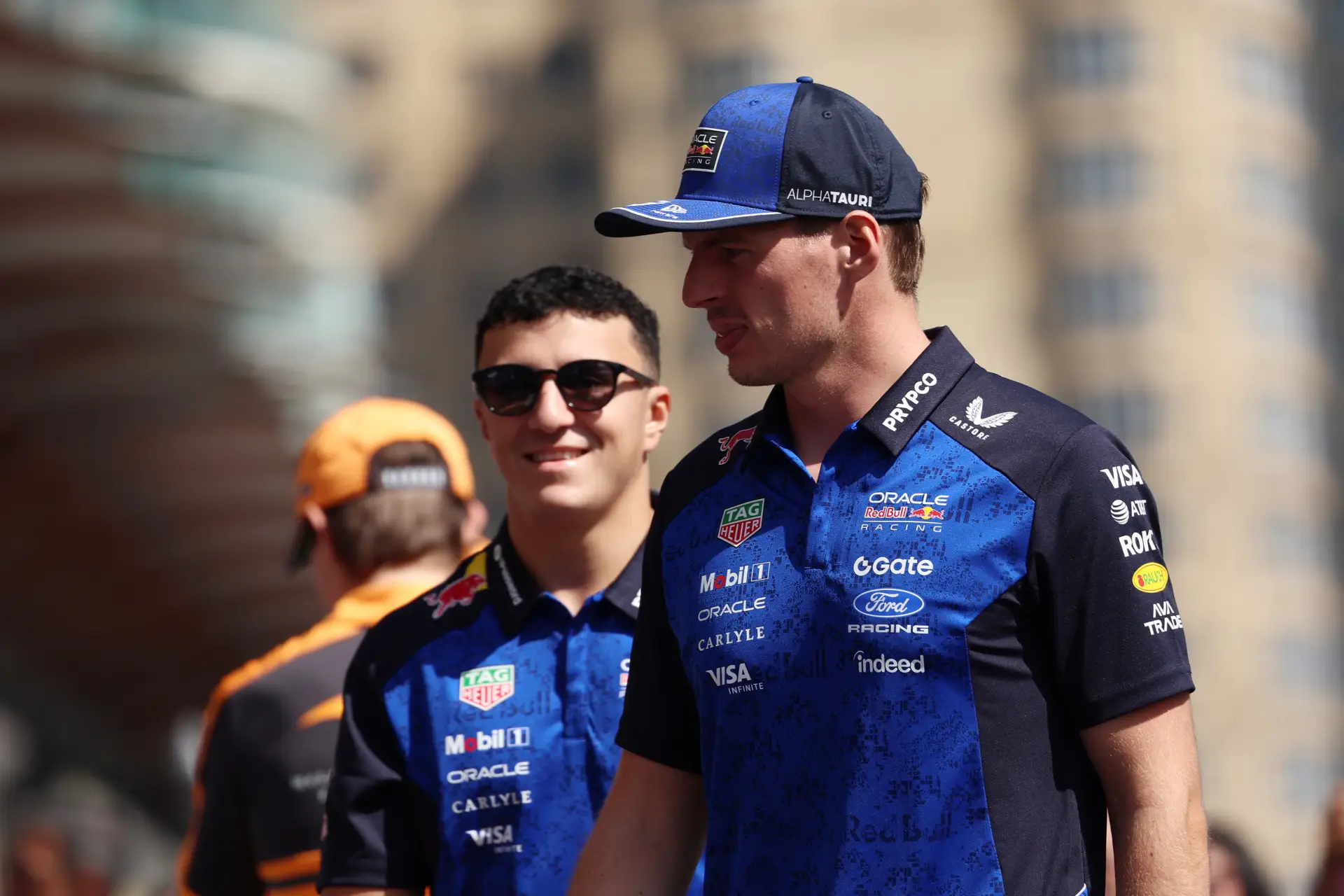
Mercedes-AMG is one of the manufacturers that played it smart during preparations for the 24-hour race and throughout the Top Qualifying sessions. They started Top Q1 with Lucas Auer, put Verstappen in the car for Top Q2, and continued with Dani Juncadella in Top Q3. The Spaniard already said during the April Qualifiers that he “wouldn’t go all-out in Top Q3 because of BoP.” It’s no secret that drivers and teams do that, and that’s exactly what happened.
Somewhat odd, then, that Porsche and BMW were hit by BoP while they didn’t particularly stand out during Friday’s sessions. If they were heavily sandbagging to gain an advantage, that plan has completely backfired. The race on the Nordschleife starts this Saturday afternoon at 15:00.

Don’t miss GPblog in Google
Mark us as a preferred source and our articles will appear more often at the top of Top Stories.
Add as a preferred / source on GoogleRead more about:
latest news


Bahrain Grand Prix
Overview
... ...
Practice 1
...
Practice 2
...
... ...
Practice 3
...
Qualification
...
... ...
Race
...
... ...
Practice 1
...
Practice 2
...
... ...
Practice 3
...
Qualification
...
... ...
Race
...
Times are in your local timezone
Rumors
Popular on GPBlog

1
F1 Today | Russell tops timesheet in 'first session' in Malaysia as Verstappen turns 29
7688 times read

2
F1 driver set for Bahrain GP back-of-grid start after engine penalty
1427 times read

3
Bottas says F1 drivers don't want to finish season in Italy amid tax threat
1060 times read

4
‘You just have to pay it’: Verstappen responds to F1 drivers’ Italian tax concerns
736 times read
F1-stand 2026
Season
| Pos. | Driver | Team | Points |
|---|---|---|---|
1 | MercedesMER | 302 | |
2 | MercedesMER | 236 | |
3 | FerrariFER | 199 | |
4 | McLarenMCL | 186 | |
5 | FerrariFER | 179 | |
6 | Red Bull RacingRBR | 163 | |
7 | McLarenMCL | 120 | |
8 | Red Bull RacingRBR | 86 | |
9 | Racing BullsRCB | 59 | |
10 | AlpineALP | 41 |
Loading