Verstappen recalls brutal Jos training that could pay off at Zandvoort
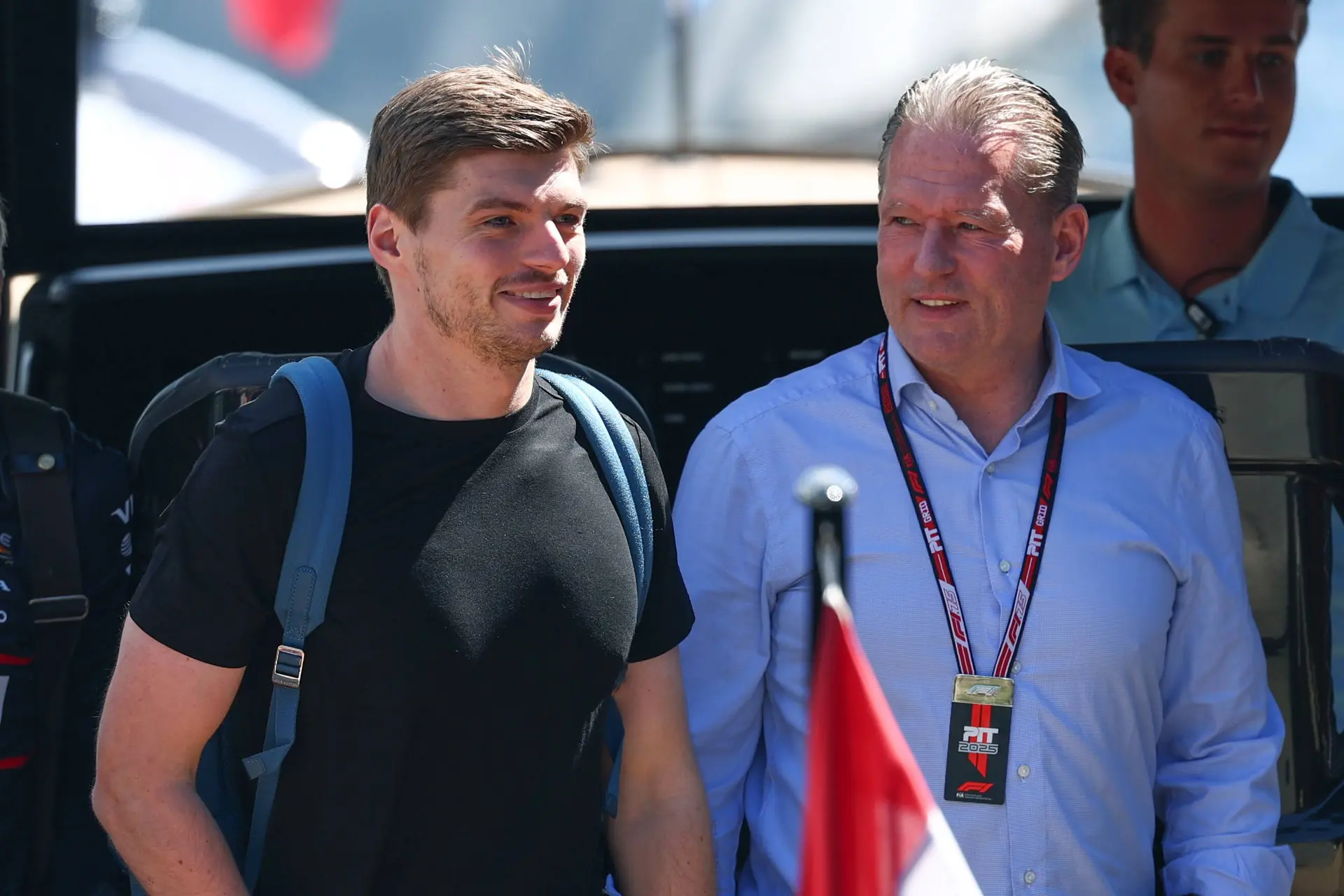
Max Verstappen and Jos Verstappen
08:00, 14 Aug
41 Comments
Connor Andrews is Formula 1 and MotoGP writer for GPblog and various outlets. Having worked in motorsport for 15 years for leading companies, he has interviewed the sports biggest names and attended multiple Grands Prix.
Max Verstappen is still hunting his first win of the season, and the latest weather report could leave him licking his lips.
After 11 rounds, the Dutchman has just three podiums and two second-place finishes, results that leave his Red Bull and Formula 1 future in doubt.
However, next up is his home race at Zandvoort, and there is plenty of good news.
Rain could hand Verstappen major Zandvoort opportunity
The latest weather reports suggest an 85 per cent chance of rain across all three days of track action, with the event also being a sprint weekend.
ADVERTISEMENT
Rain is often seen as a leveller between car performance and also a factor that allows the best drivers to shine, one of whom is undoubtedly Verstappen.
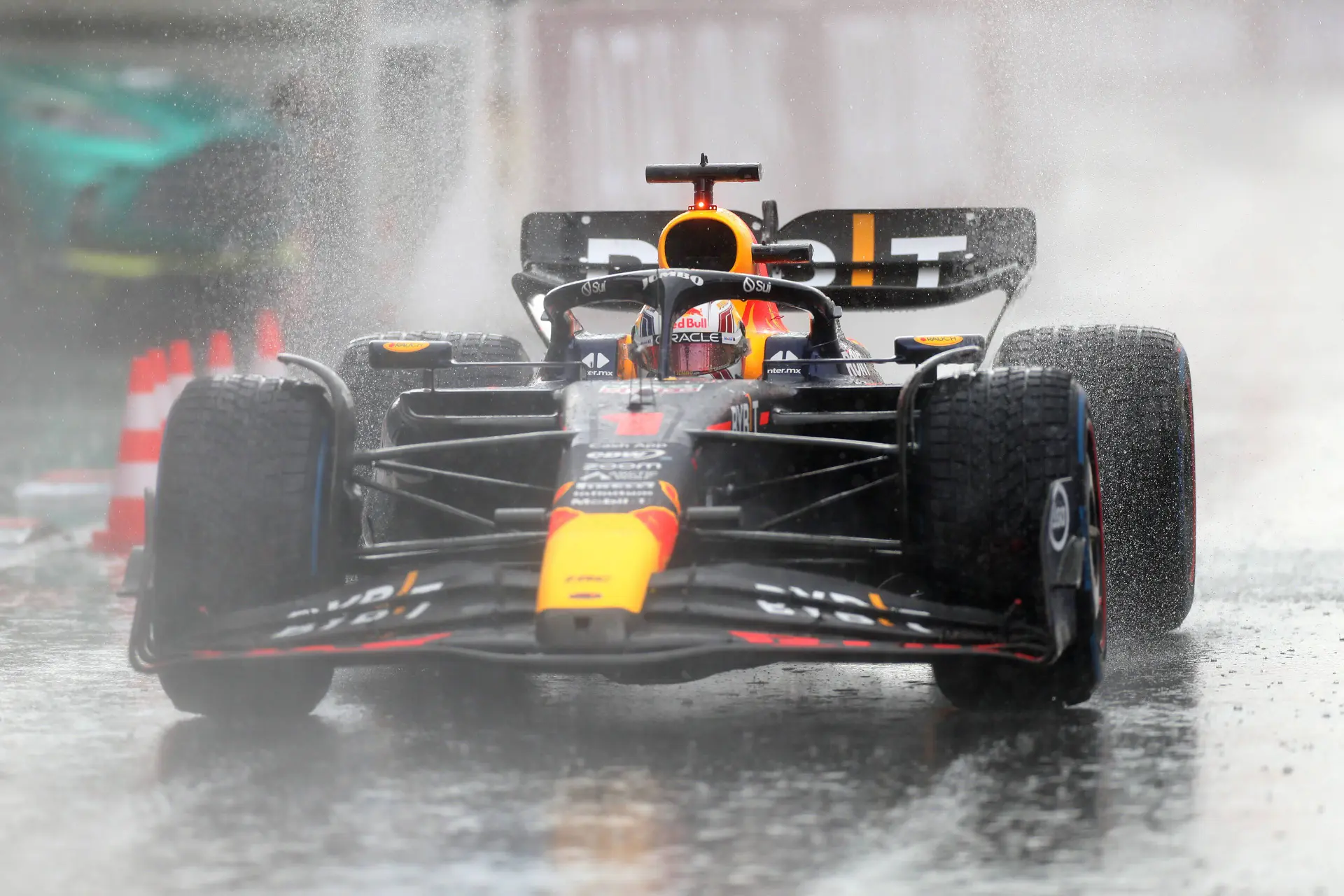
In fact, the four-time champion has staged some of F1’s greatest-ever performances in wet conditions, most famously in 2024 in Brazil, where he won from 17th on the grid.
As such, Verstappen fans heading to the final Dutch Grand Prix at Zandvoort have plenty to be excited about, as they could witness a performance 24 years in the making.
Discussing his wet weather skills with GPblog and others, Verstappen said: “In Belgium and Holland, it rains a lot.
ADVERTISEMENT
“Probably one of my first races was in the wet. Also, when I raced in minis, we had no wet tyres, so you had to race with slicks in the wet.
“It’s quite challenging, but very good, I think, for your control in the wet.”
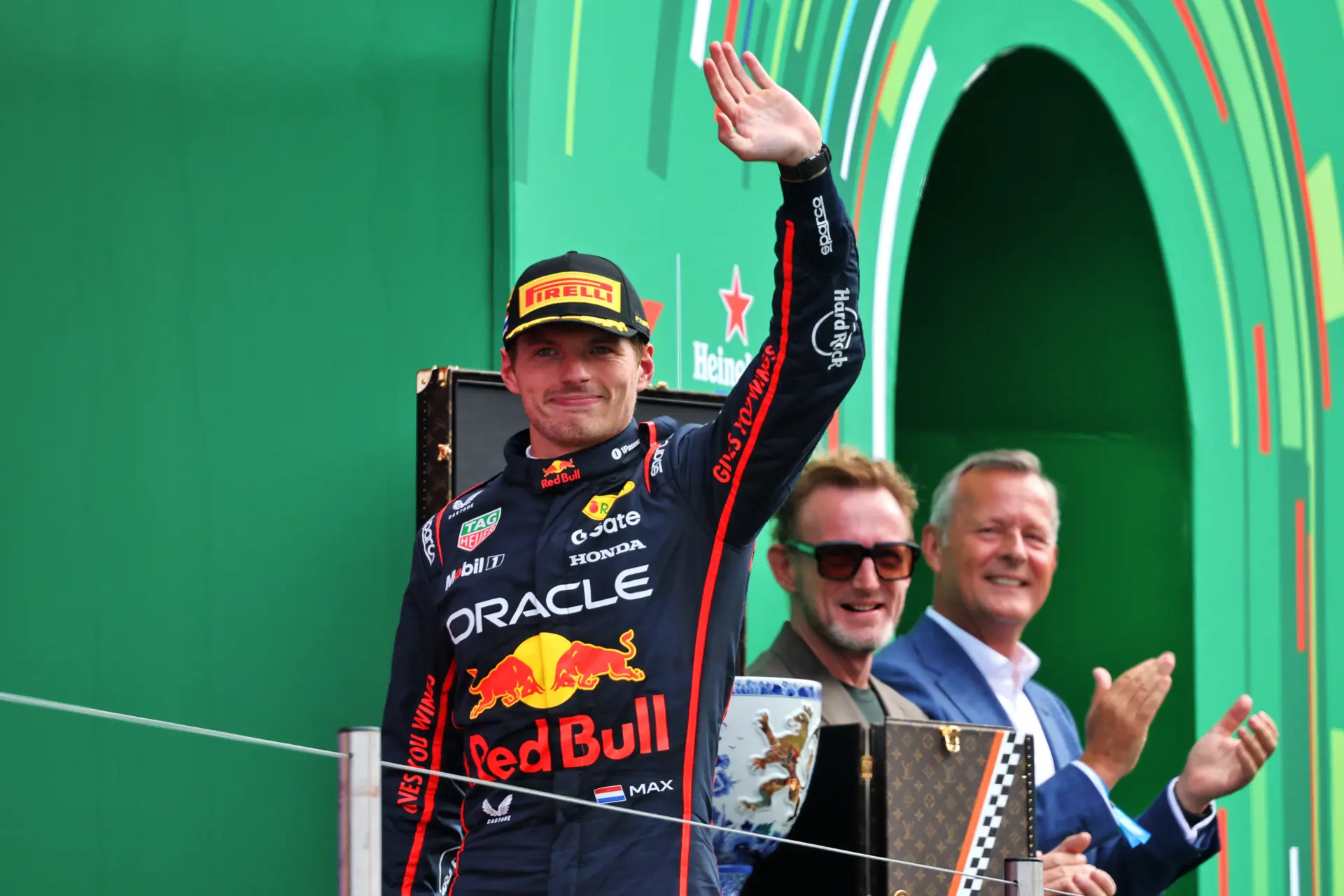
How Jos Verstappen taught Max to master the rain
"He was standing on the track at a certain place where I was almost hitting him as well, where he had to jump out of the way because I entered the corner a bit too quickly."- Max Verstappen
ADVERTISEMENT
In fact, Verstappen’s wet-weather training dates back even further to training sessions with his father, former F1 driver Jos.
He explained: “I had already practised that since I was four and a half with my dad.
“We would be driving a lot in the wet anyway. He was showing me the lines. He was standing on the track at a certain place where I was almost hitting him as well, where he had to jump out of the way because I entered the corner a bit too quickly.
“But that’s how you learn. You have to go off. You have to understand where the grip is or isn’t. It’s a work in progress over all the years.
“You constantly learn something new, and especially at that young age you make bigger steps.
ADVERTISEMENT
“Now, not so much, but when you’re five years old all the way until you’re 12, maybe even 14, you really make big steps in the wet and learn how to manage all these things.”
Don’t miss GPblog in Google
Mark us as a preferred source and our articles will appear more often at the top of Top Stories.
Add as a preferred / source on GoogleRead more about:
latest news

Bahrain Grand Prix
Overview
Friday 02.10.26
Practice 1
04:30 AM
Practice 2
08:00 AM
Saturday 03.10.26
Practice 3
04:30 AM
Qualification
08:00 AM
Sunday 04.10.26
Race
07:00 AM
Friday 02.10.26
Practice 1
Fri 04:30 AM
Practice 2
Fri 08:00 AM
Saturday 03.10.26
Practice 3
Sat 04:30 AM
Qualification
Sat 08:00 AM
Sunday 04.10.26
Race
Sun 07:00 AM
Times are in your local timezone
Rumors
Popular on GPBlog
1
Hamilton accused of 'sulking' at Ferrari as Corriere della Sera claims Vasseur sided with Leclerc
3103 times read
2
Hamilton's engine penalty just got cheaper for Ferrari after McLaren's Baku blank
3056 times read
3
Mercedes has its 2027 lineup set and picks this third driver
1438 times read
4
Horner claims Marko didn't want Verstappen at Red Bull: 'We don't need this one'
899 times read
F1-stand 2026
Season
| Pos. | Driver | Team | Points |
|---|---|---|---|
1 | MercedesMER | 302 | |
2 | MercedesMER | 236 | |
3 | FerrariFER | 199 | |
4 | McLarenMCL | 186 | |
5 | FerrariFER | 179 | |
6 | Red Bull RacingRBR | 163 | |
7 | McLarenMCL | 120 | |
8 | Red Bull RacingRBR | 86 | |
9 | Racing BullsRCB | 59 | |
10 | AlpineALP | 41 |
Loading