Verstappen wants to add to this list: the F1 champions who actually won a major endurance race
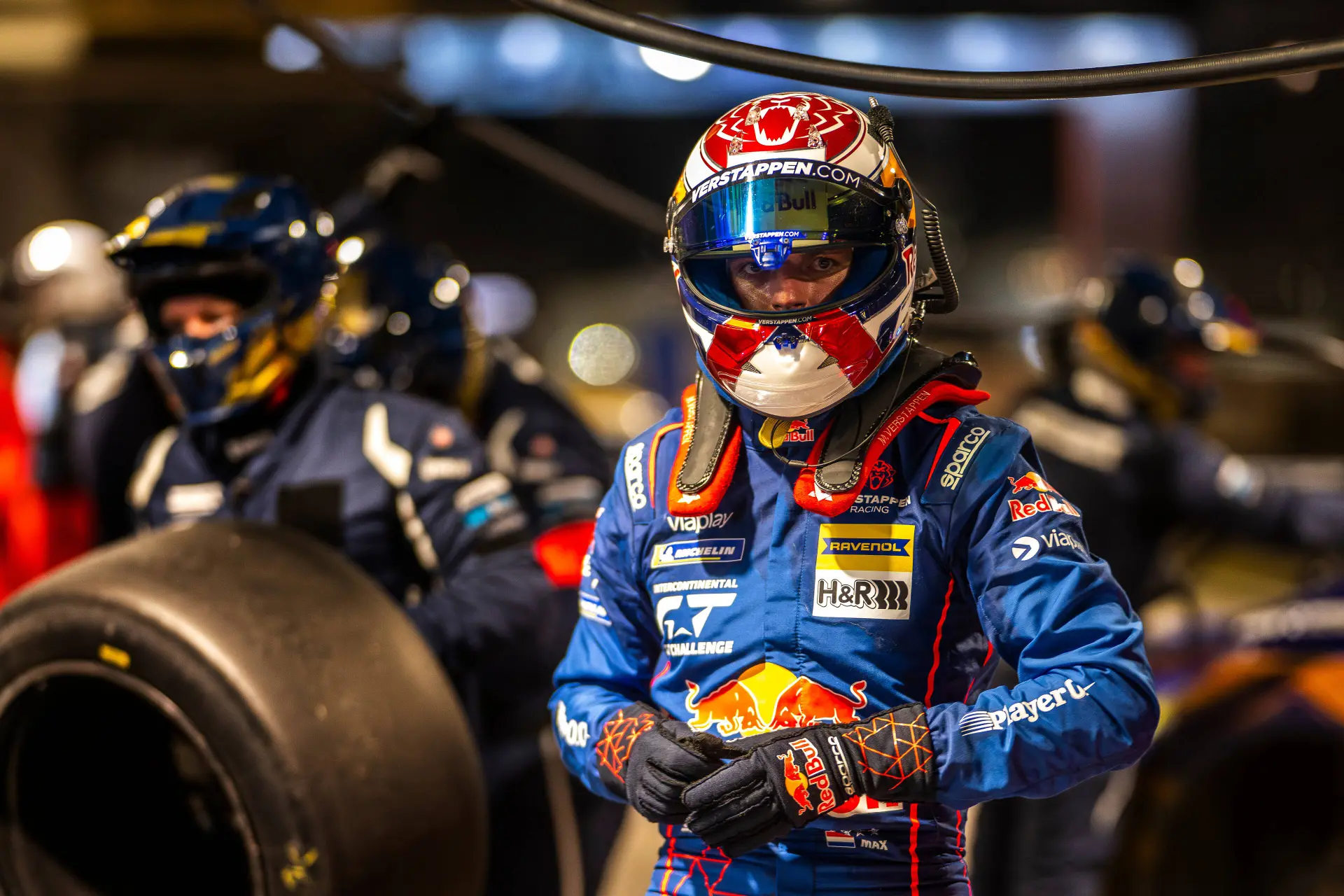
Photo: Red Bull Content Pool
Updated:
8 Comments

Nicole MulderManaging Editor
Nicole Mulder is Managing Editor at GPblog and a specialist in Formula 1 and MotoGP. With years of experience and permanent FIA accreditation at Grands Prix worldwide, she delivers reliable coverage and insights based on direct access to drivers and the F1 paddock.
Every F1 World Champion Who Won a Major Endurance Race
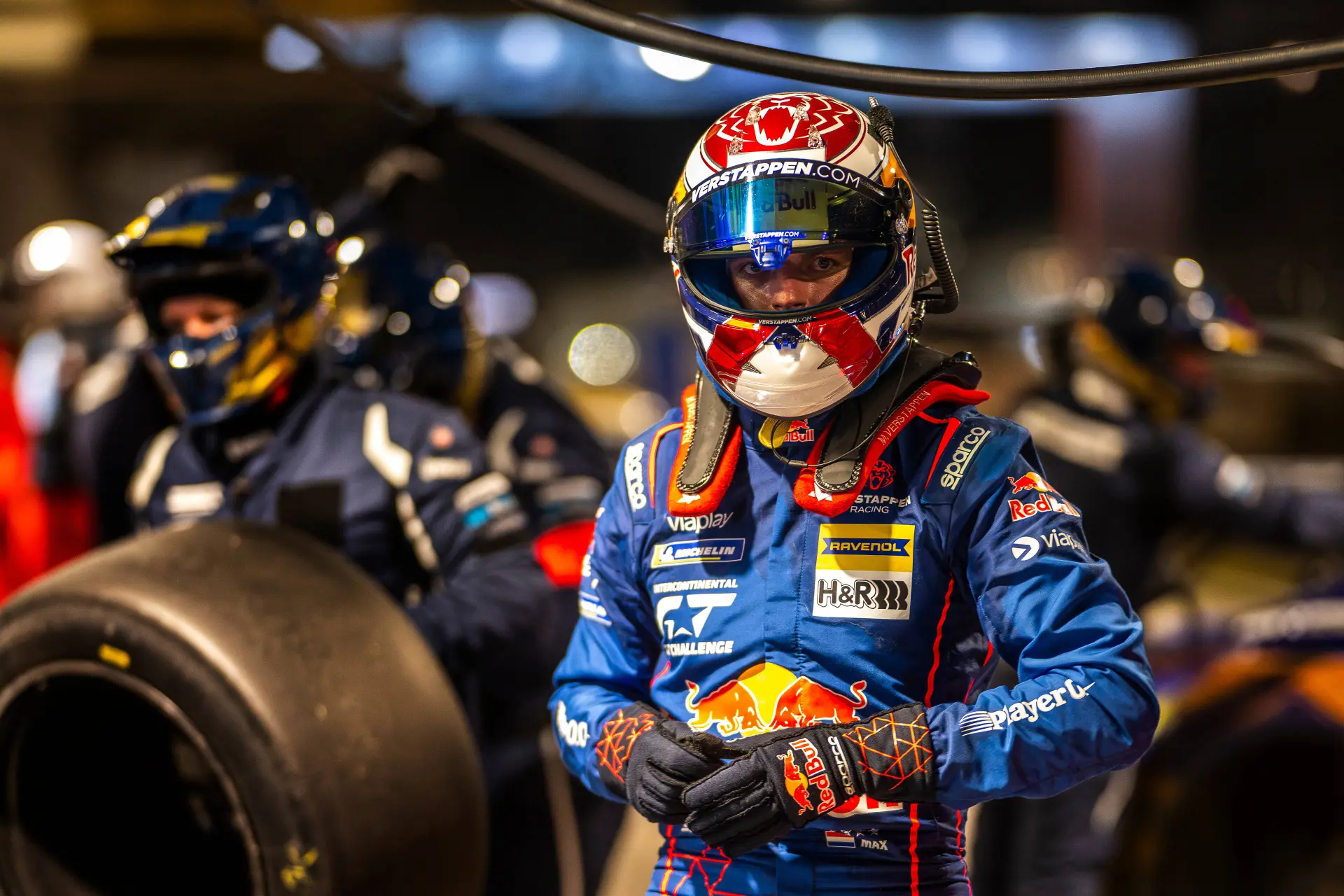
A win wasn’t in the cards for Max Verstappen on his debut in the 24 Hours of the Nürburgring, but his endurance ambitions remain undiminished. The four-time Formula 1 world champion wants to conquer the great endurance classics, and that is one of the toughest doubles in motorsport. In history, only a handful of drivers have managed to win both the F1 world title and a major endurance race: five F1 champions won the 24 Hours of Le Mans, and Niki Lauda added a victory in the 24 Hours of the Nürburgring. It’s the select list Verstappen hopes to join one day.
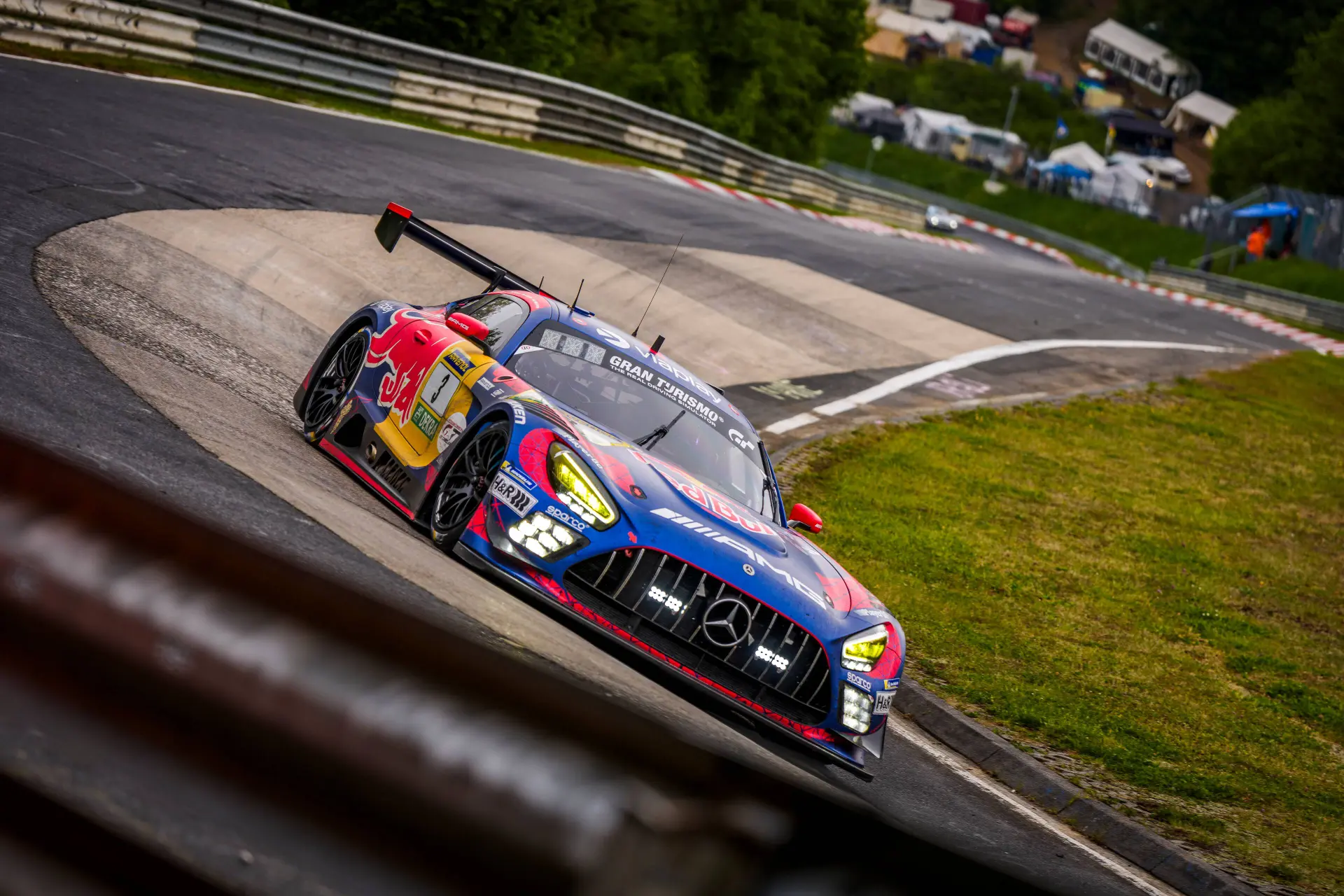
One of the toughest doubles in motorsport
Formula 1 and endurance racing are almost polar opposites. F1 is about a ninety-minute sprint in a single-seater built entirely around one driver. Endurance racing is about stamina, sharing a car with multiple drivers, and managing equipment over many hours. That a driver can win at the highest level in both worlds is therefore rare. In the more than seventy years of the Formula 1 World Championship, the combination with a major endurance victory has only happened a few times.
ADVERTISEMENT
Mike Hawthorn: the first
The Briton Mike Hawthorn was the first driver to combine both achievements. His Le Mans victory came in 1955 with Jaguar, three years before he became the first British Formula 1 world champion in 1958. His Le Mans win was overshadowed by the worst disaster in motorsport history, in which dozens of spectators were killed that same year. Hawthorn won Le Mans first and then the F1 title, a sequence that wasn’t unusual at the time.
Phil Hill: the master of Le Mans
The American Phil Hill was the most successful Le Mans driver of this group. He won the race three times with Ferrari: in 1958, 1961, and 1962. Fittingly, in 1961, the year of his second Le Mans victory, Hill also became Formula 1 world champion, the first American ever. Hill competed at Le Mans fourteen times in his career, a sign of how deeply endurance racing was interwoven with drivers’ careers in that era.
Niki Lauda: the champion who tamed the Green Hell
ADVERTISEMENT
Niki Lauda is best known for his three Formula 1 world titles and for his dramatic accident on the Nürburgring Nordschleife in 1976. But three years earlier, in 1973, Lauda actually won on that very circuit: together with Hans-Peter Joisten, he triumphed in a BMW in the 24 Hours of the Nürburgring. This makes Lauda the only F1 world champion to have his name on the notorious 24-hour race on the Nordschleife. It makes his relationship with that circuit extra special: he won one of the toughest endurance races in the world there and later narrowly survived the crash that defined his career. That Max Verstappen made his 24-hour debut on that same circuit this weekend gives Lauda’s achievement added resonance.
Jochen Rindt: the only posthumous champion
The Austrian Jochen Rindt won Le Mans in 1965, together with Masten Gregory in a Ferrari 250 LM, with a dominant five-lap margin. Five years later, in 1970, Rindt became Formula 1 world champion, but he never lived to see it. Rindt died during practice for the Italian Grand Prix and was awarded the title posthumously, as his lead in the championship could no longer be overtaken. He remains the only posthumous world champion in Formula 1 history.
Graham Hill: the only Triple Crown winner
Graham Hill is the most famous name on this list, and with good reason: he is the only driver ever to complete the Triple Crown of Motorsport: the Monaco Grand Prix, the Indianapolis 500, and the 24 Hours of Le Mans. Hill became Formula 1 world champion in 1962 and 1968, won the Indy 500 in 1966, and completed the Triple Crown only in 1972 with his Le Mans victory, together with Henri Pescarolo in a Matra-Simca. It was his tenth Le Mans entry; more than half a century later, he remains the only person to have fully claimed the Triple Crown.
ADVERTISEMENT
Fernando Alonso: the modern exception
After Graham Hill, it took 46 years for a new name to be added to the Le Mans list. Fernando Alonso, two-time Formula 1 world champion in 2005 and 2006, won Le Mans twice in a row, in 2018 and 2019, with Toyota alongside Sébastien Buemi and Kazuki Nakajima. Alonso openly expressed the ambition to also win the Indianapolis 500 and thus complete the Triple Crown, but he has not managed it so far. For now, he remains the most recent driver to combine an F1 title with a Le Mans victory.
Endurance greats without an F1 title
Beyond this exclusive group, various F1 drivers without a world title have also won major endurance races. The best-known recent example is Nico Hülkenberg, who won Le Mans on his only participation in 2015 with Porsche, while still actively competing in Formula 1. The most successful driver across both disciplines is Jacky Ickx, who won eight Grands Prix and triumphed at Le Mans six times without ever becoming F1 world champion. It shows that the crossover is possible, but that the combination of a world title and an endurance classic remains extremely rare.
A win didn’t come for Verstappen at the Nürburgring this time, but his endurance mission has clearly only just begun. The four-time world champion has repeatedly said he wants to race at Le Mans, and Ford has already confirmed talks are underway about a future entry with the brand’s Hypercar program. If Verstappen ever manages to win Le Mans, he will join Hawthorn, Phil Hill, Rindt, Graham Hill, and Alonso. Since he has already won Monaco, even the legendary Triple Crown would come within reach. And should he one day also win the 24 Hours of the Nürburgring, he would be following in the footsteps of Niki Lauda.
ADVERTISEMENT
Verstappen hopes to add his name to the list one day via Le Mans or another attempt at the Nürburgring.
Don’t miss GPblog in Google
Mark us as a preferred source and our articles will appear more often at the top of Top Stories.
Add as a preferred / source on GoogleRead more about:
latest news
Bahrain Grand Prix
Overview
... ...
Practice 1
...
Practice 2
...
... ...
Practice 3
...
Qualification
...
... ...
Race
...
... ...
Practice 1
...
Practice 2
...
... ...
Practice 3
...
Qualification
...
... ...
Race
...
Times are in your local timezone
Rumors
Popular on GPBlog
1
F1 driver set for Bahrain GP back-of-grid start after engine penalty
1684 times read
2
Bottas says F1 drivers don't want to finish season in Italy amid tax threat
1631 times read
3
Back-of-grid start confirmed as three drivers face Sepang setback
1210 times read
4
Lando Norris reveals why he skipped karting with F1 drivers
1187 times read
F1-stand 2026
Season
| Pos. | Driver | Team | Points |
|---|---|---|---|
1 | MercedesMER | 302 | |
2 | MercedesMER | 236 | |
3 | FerrariFER | 199 | |
4 | McLarenMCL | 186 | |
5 | FerrariFER | 179 | |
6 | Red Bull RacingRBR | 163 | |
7 | McLarenMCL | 120 | |
8 | Red Bull RacingRBR | 86 | |
9 | Racing BullsRCB | 59 | |
10 | AlpineALP | 41 |
Loading