Fresh Iran war escalation raises stakes for F1’s Middle East finale
Photo: Race Pictures

Ben Hunt is an award-winning motorsport journalist with over two decades of experience in Formula 1 and international media. As a former editor-in-chief and bestselling author, he delivers in-depth analysis and strategic insight from the highest level of the sport.
Sunday morning reports of explosions in Iran and damage to a Saudi Aramco building in Riyadh have renewed the focus on regional security ahead of Formula 1’s planned season-ending races in Qatar and Abu Dhabi.
Al Jazeera’s live coverage on 8 November reported that Iranian state media had recorded blasts on Qeshm Island in the Strait of Hormuz, as well as in Jask, Sirik and Bandar Abbas.
Saudi Arabia’s Energy Ministry also confirmed that falling shrapnel damaged an Aramco building in Riyadh after air defences intercepted an incoming projectile during fighting involving Yemen’s Houthi rebels.
Separately, the US military announced plans to disrupt Iran’s land-based supply routes, expanding its blockade strategy beyond Iranian ports.
The developments add to the security backdrop facing F1 as it prepares for the Qatar Grand Prix on 29 November and the Abu Dhabi season finale on 6 December. They do not, however, establish that either race venue has been affected or that either event has been cancelled.
ADVERTISEMENT

Fresh strikes follow earlier concerns over F1’s Gulf races
GPblog previously reported on the latest US air strikes against Iran, with the conflict creating uncertainty around the championship’s remaining Middle Eastern rounds. That report also noted that Iranian news agency Fars had circulated a list of potential retaliation targets that included hotels used by Formula 1 and MotoGP teams during race weekends.
Wolff trusts F1 and FIA guidance
Speaking in Brazil, Toto Wolff said he continued to trust the authorities responsible for assessing whether the races could take place safely.
ADVERTISEMENT
As GPblog reported in its coverage of Wolff’s comments, the Mercedes team principal pointed to international guidance, travel restrictions, airline operations and feedback from local governments as the factors informing that assessment.
“Of course, you've got to be wary of what's happening in the next few days, a few weeks, and Stefano has his finger on the pulse to monitor that,” Wolff said.
He added that Stefano Domenicali and FIA president Mohammed Ben Sulayem would act to protect those travelling if the situation became more dangerous.
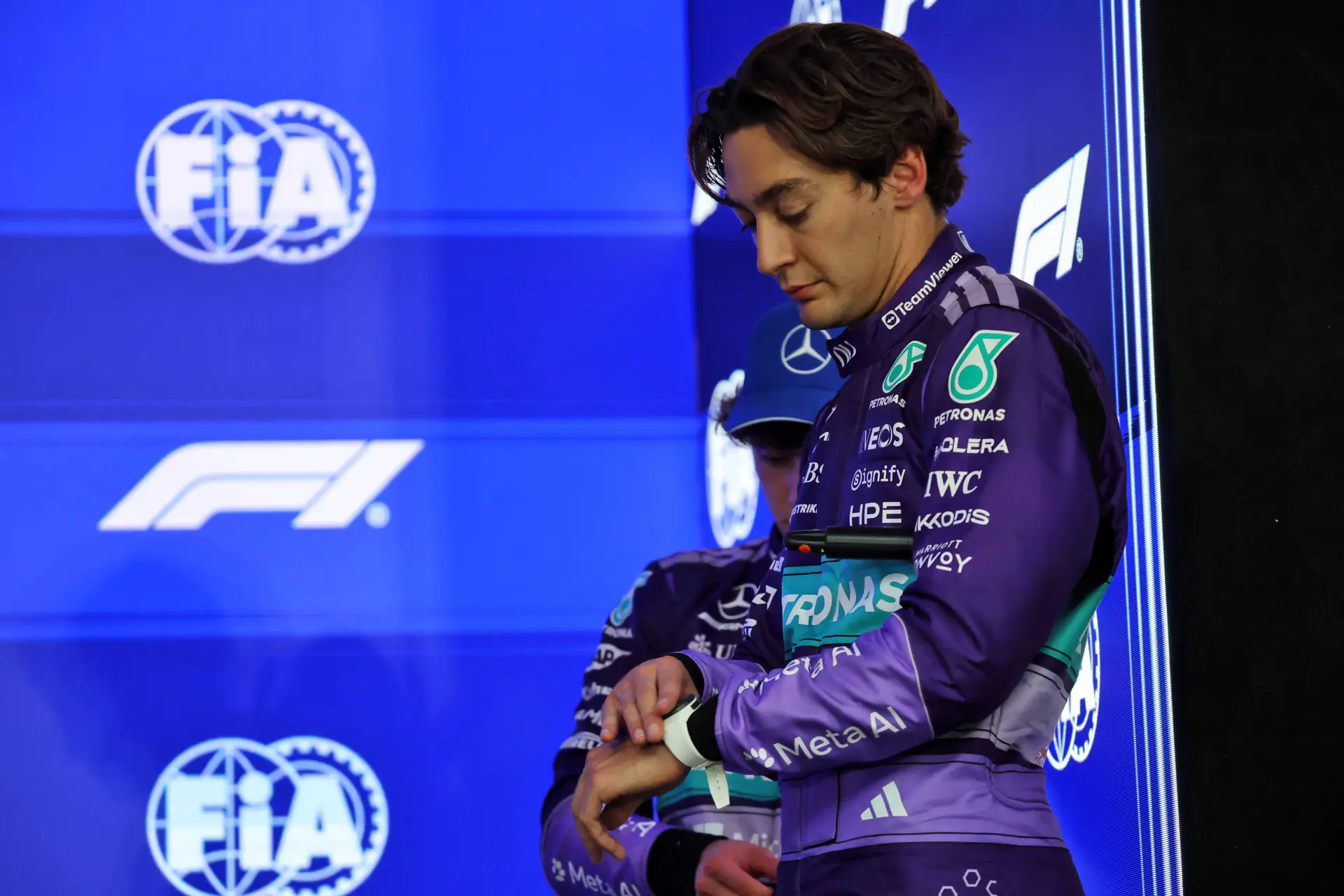
Ferrari team principal Frederic Vasseur also expressed confidence in the FIA and Formula 1’s organisation, while saying Ferrari would respect any team member’s decision not to travel.
ADVERTISEMENT
What the latest escalation means for F1
For the paddock, the immediate issue is whether further developments alter the security assessments and travel guidance underpinning the Qatar and Abu Dhabi events.
The latest attacks are not evidence that racing at either circuit is unsafe yet equally, earlier assurances cannot establish how conditions will develop before teams arrive.
For now, the reported plan remains a two-race finish in Qatar and Abu Dhabi. Whether that position changes will depend on subsequent developments and decisions from F1, the FIA and the relevant authorities
ADVERTISEMENT
Don’t miss GPblog in Google
Mark us as a preferred source and our articles will appear more often at the top of Top Stories.
Add as a preferred / source on Google