MotoGP News
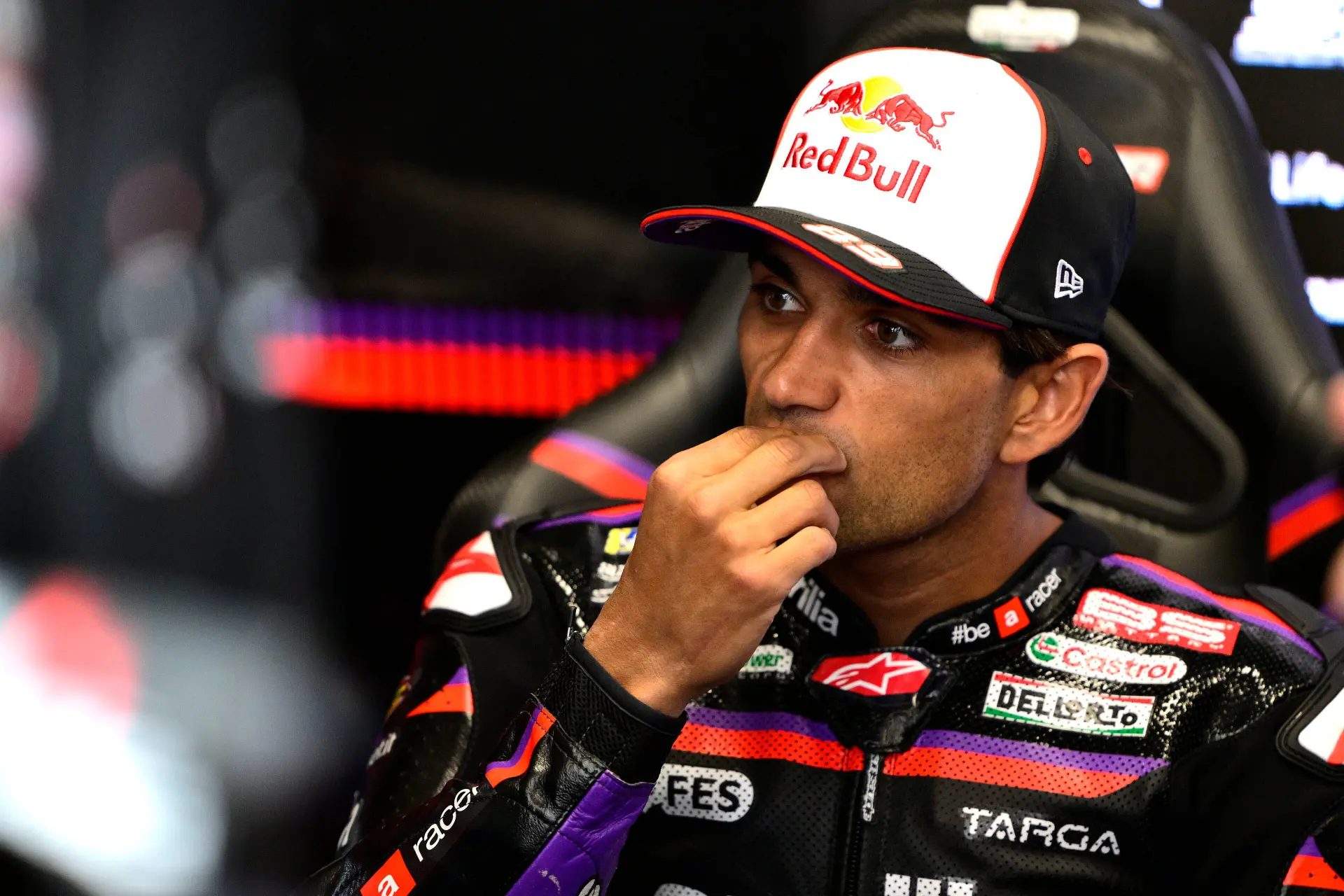
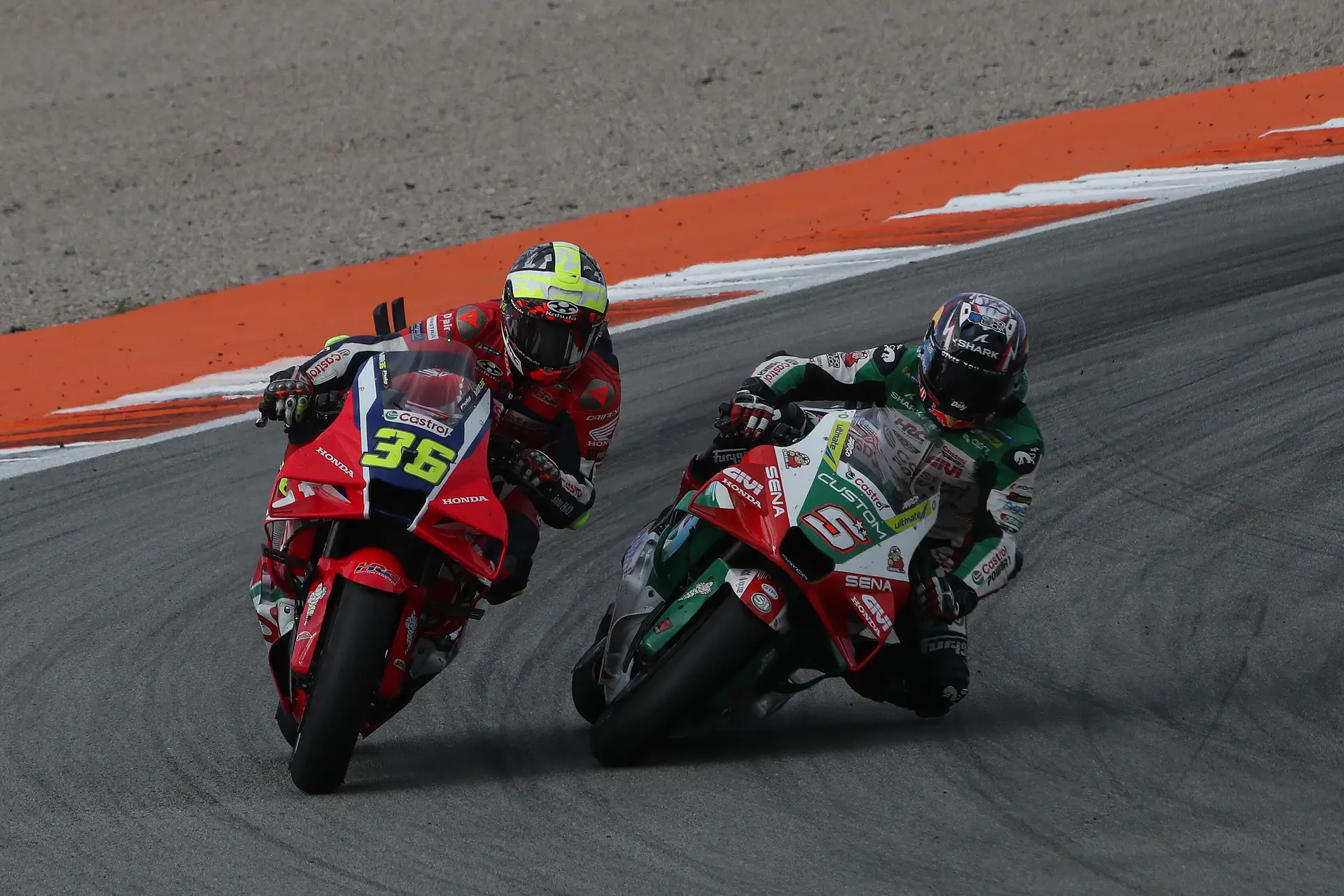
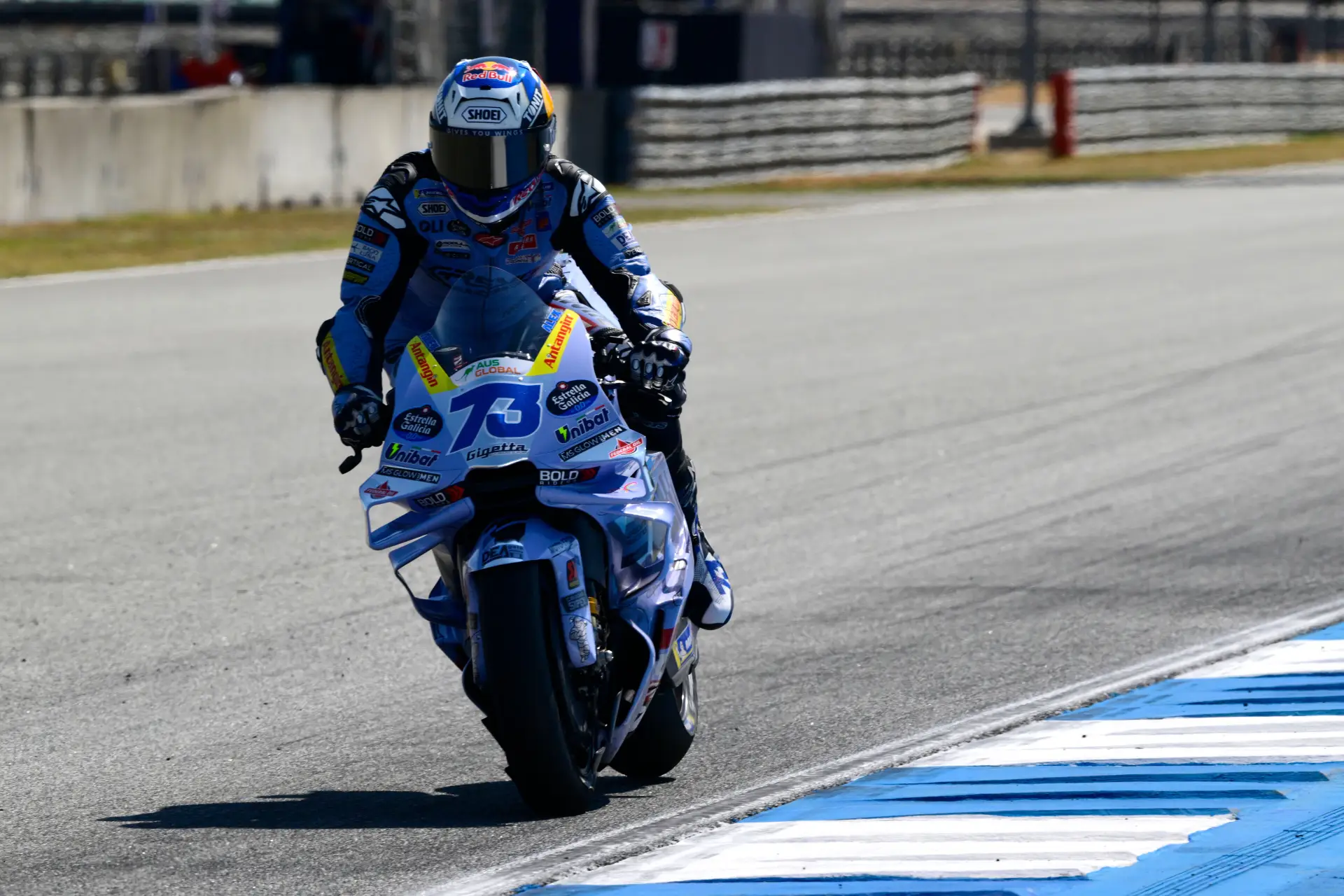
MotoGP 2026 Season Standings
| Position | Rider | Team | Points |
| P1 | Jorge Martin | Aprilia | 208 |
| P2 | Ai Ogura | Trackhouse | 194 |
| P3 | Marc Marquez | Ducati | 190 |
| P4 | Marco Bezzecchi | Aprilia | 186 |
| P5 | Fabio Di Giannantonio | VR46 | 184 |
| P6 | Raul Fernandez | Trackhouse | 159 |
| P7 | Pedro Acosta | KTM | 148 |
| P8 | Francesco Bagnaia | Ducati | 143 |
| P9 | Alex Marquez | Gresini | 87 |
| P10 | Luca Marini | Honda | 79 |
| P11 | Fermin Aldeguer | Gresini | 76 |
| P12 | Enea Bastianini | KTM Tech 3 | 76 |
| P13 | Brad Binder | KTM | 64 |
| P14 | Fabio Quartararo | Yamaha | 55 |
| P15 | Diogo Moreira | LCR | 48 |
| P16 | Franco Morbidelli | VR46 | 46 |
| P17 | Johann Zarco | LCR | 34 |
| P18 | Joan Mir | Honda | 26 |
| P19 | Alex Rins | Yamaha | 21 |
| P20 | Jack Miller | Pramac | 19 |
| P21 | Toprak Razgatlioglu | Pramac | 12 |
| P22 | Maverick Viñales | KTM Tech3 | 10 |
| P23 | Iker Lecuona | Gresini | 9 |
| P24 | Augusto Fernandez | Yamaha | 5 |
| P25 | Cal Crutchlow | LCR | 0 |
| P26 | Jonas Folger | Tech3 | 0 |
| P27 | Michele Pirro | Gresini | 0 |
Position
Updated 12/07/2026
* = Temporary Wildcard, test rider or injury replacement.
* = Temporary Wildcard, test rider or injury replacement.
MotoGP History
Dating back to 1949, the premier class of motorcycle racing is the oldest World Championship in all of world motorsport.
Originally called the Grand Prix Racing Motorcycle World Championship, a combination of both two-stroke and four-stroke engines competed alongside one another until the categories later became refined and distinguished from one another.
The early years were dominated by the British trio of Geoff Duke, John Surtees and Mike Hailwood, but it was the Italian Giacomo Agostini who would set records with his eight world championships during the 1960s and 70s.
As with all motorsport, the history of motorcycle racing has not been without its tragedies. The death of Jarno Saarinen in 1973 in Monza led to significant safety reforms, but it is still unavoidably among the most dangerous motorsports on earth.
Champions like Barry Sheene, Wayne Rainey and Mick Doohan all helped to modernise the riding style and introduce more of an athletic component to the sport, taking corners with exaggerated lean angles and body positions.
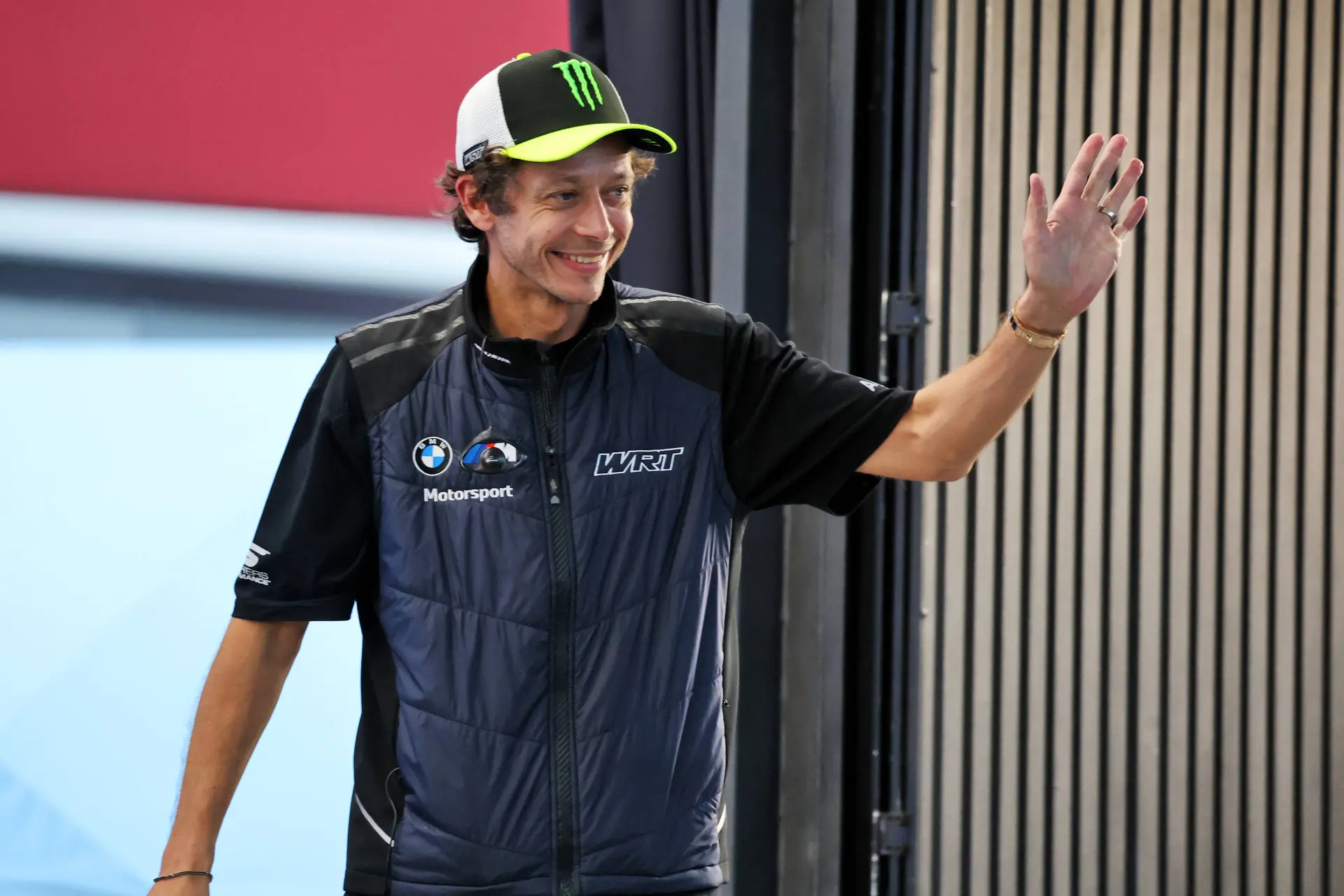
The late 90s and early 2000s saw the arrival of the legendary Valentino Rossi into MotoGP as well as the establishment of the 500c MotoGP category. Rossi would dominate with a total of seven premier class titles from 2001-2009.
2013 marked the arrival of Marc Marquez into MotoGP, and the Spaniard has since gone on to win seven premier class titles of his own, with the most recent one coming in 2025.
MotoGP Weekend & Sprint Format
MotoGP weekends differ from the F1 format in that riders are given less practise time and more competitive action.
Each race weekend follows the same structure and stays consistent throughout the year with no circuit-dependent changes.
Friday practise consists of one single Free Practise (FP) session followed by a timed practise session which determines whether riders will enter Q1 or Q2.
Qualifying is structured so that riders who finish the timed practise session outside the top 10 get a chance to compete for a place in Q2. The top 2 riders from Q1 progress to Q2, a separate session which determines the starting grid for both the sprint race and main race.
Saturday’s sprint races take place in the afternoon after qualifying and give the riders a chance to score extra points, though only half the amount of a full race.
Sunday races award full points and are twice as long as sprint races in terms of lap count.
MotoGP Points Structure Explained
Points can be scored in MotoGP through both sprint races and main races.
The top 9 finishers in sprint races score points on a scale of 12-1 (first place scores 12, second scores 9 and third scores 7 while 4th-9th place are awarded 6, 5, 4, 3, 2, 1 points respectively.
For main Grand Prix results, first place scores 25 points with second scoring 20 and third 16. Fourth place awards 13 points with the remaining riders in the top 15 scoring 11-1 points respectively.
There are no bonus points awarded for fastest laps or pole position in MotoGP.
Most Successful MotoGP Riders
The most successful riders in the sport’s history are Giacomo Agostini with eight titles, Valentino Rossi and Marc Marquez with seven, and Mick Doohan who won five premier class championships.
2025 MotoGP Season Overview
The 2025 MotoGP season marked the return of a legend to the top of his game. Marc Marquez dominated the season from the very first race, going on to collect a total of 11 race victories and 14 sprint wins.
Reigning world champion Jorge Martin was sidelined for the majority of the year through injury in what turned out to be a nightmare first season with Aprilia. On the other side of the garage, Marco Bezzecchi stepped up to claim three race wins for the Italian manufacturer.
Alex Marquez enjoyed his best season in the premier class, accruing three victories and finishing 2nd in the standings behind his brother.
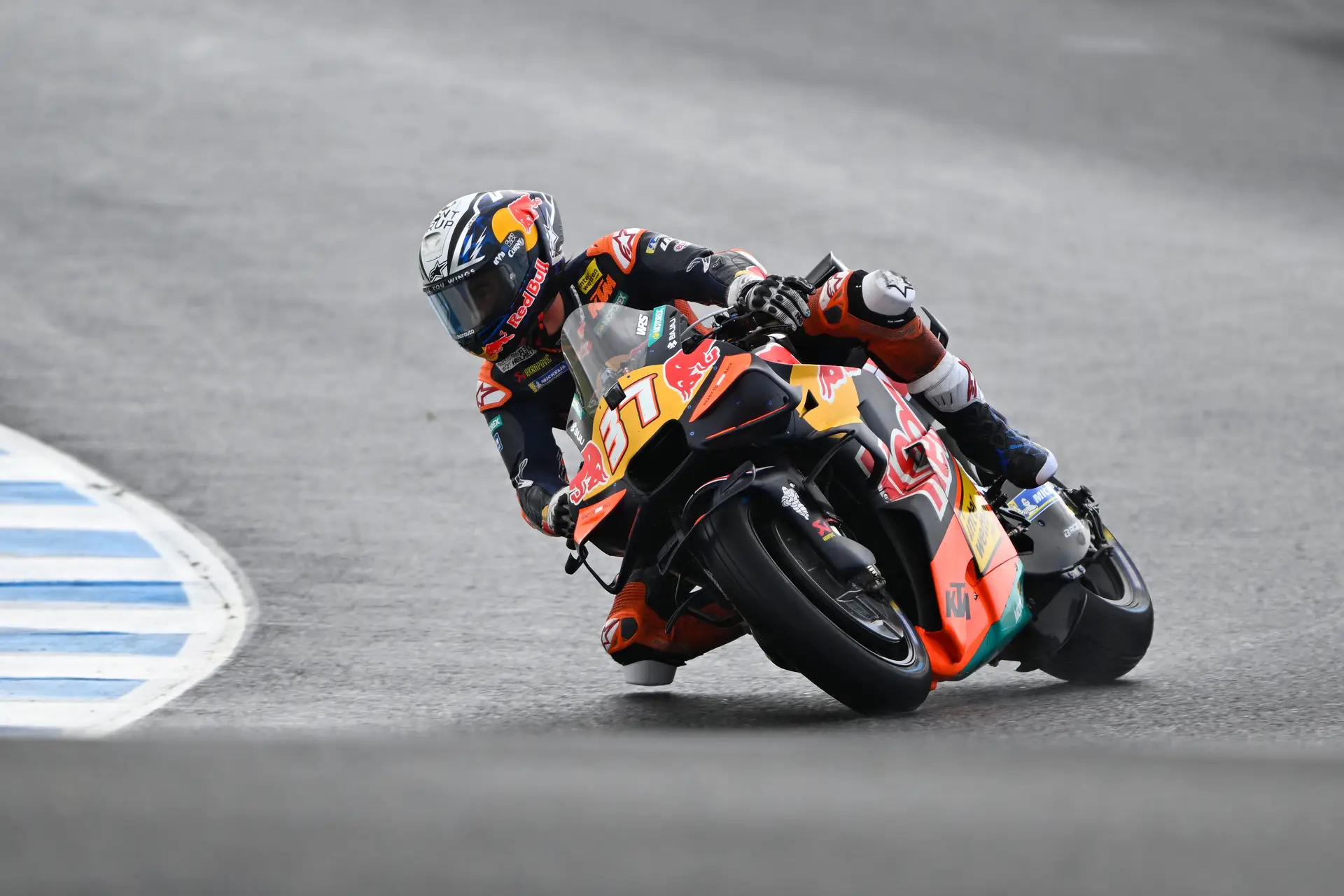
Elsewhere, Pedro Acosta made the move to the factory KTM seat and dominated experienced teammates Brad Binder, Maverick Vinales and Enea Bastianini on equal machinery.
MotoGP in 2026
The 2026 season represents the final year of the 1000cc era before new reduced-power engines and sustainable fuels are enforced from 2027 onwards.
Aprilia's Marco Bezzecchi continued his solid from from the tail-end of 2025 and managed three-straight victories in the opening three rounds.
Marc Marquez had a difficult and crash-filled start to the year, failing to finish in three of the opening five rounds and having to withdraw from several more due to injury.
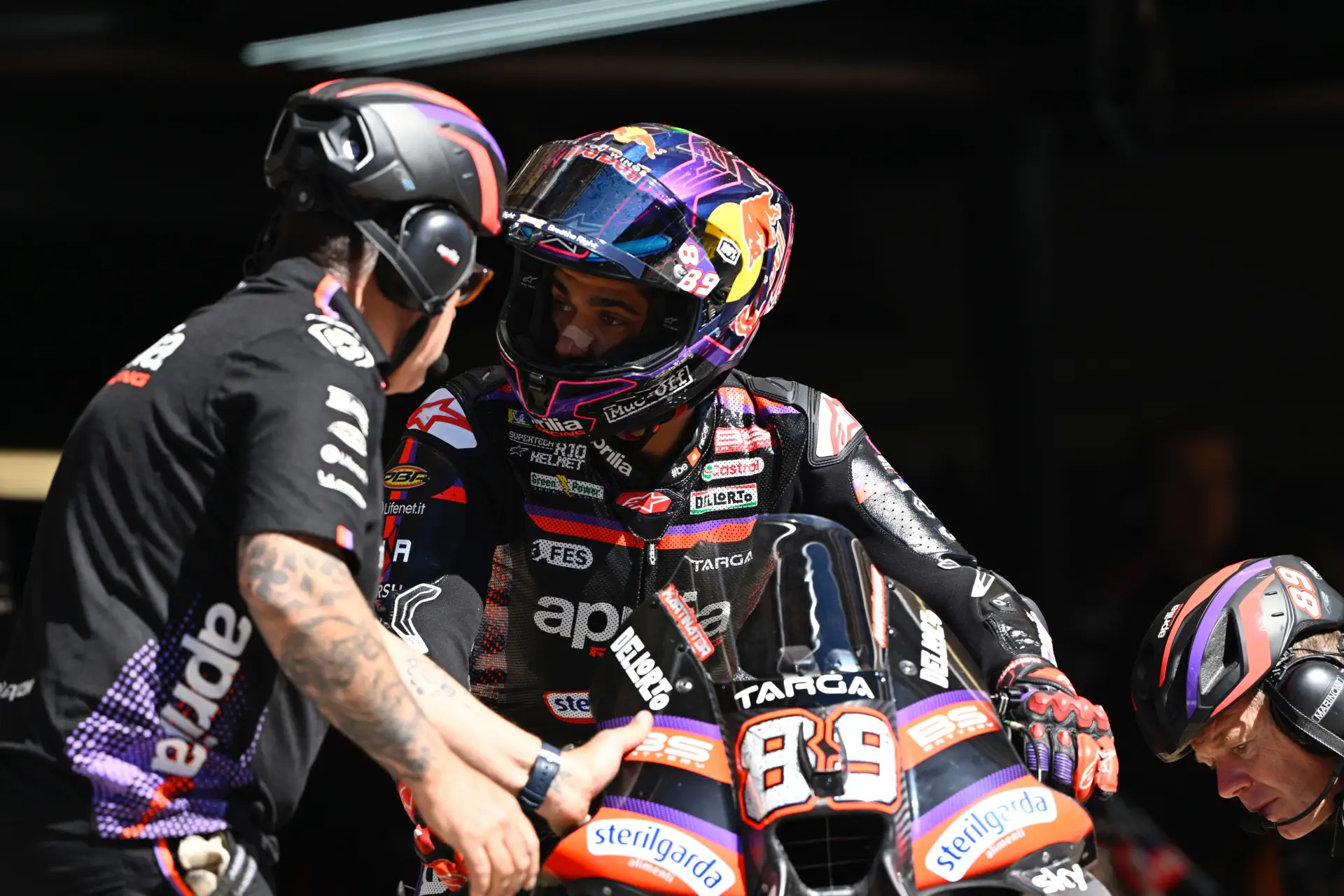
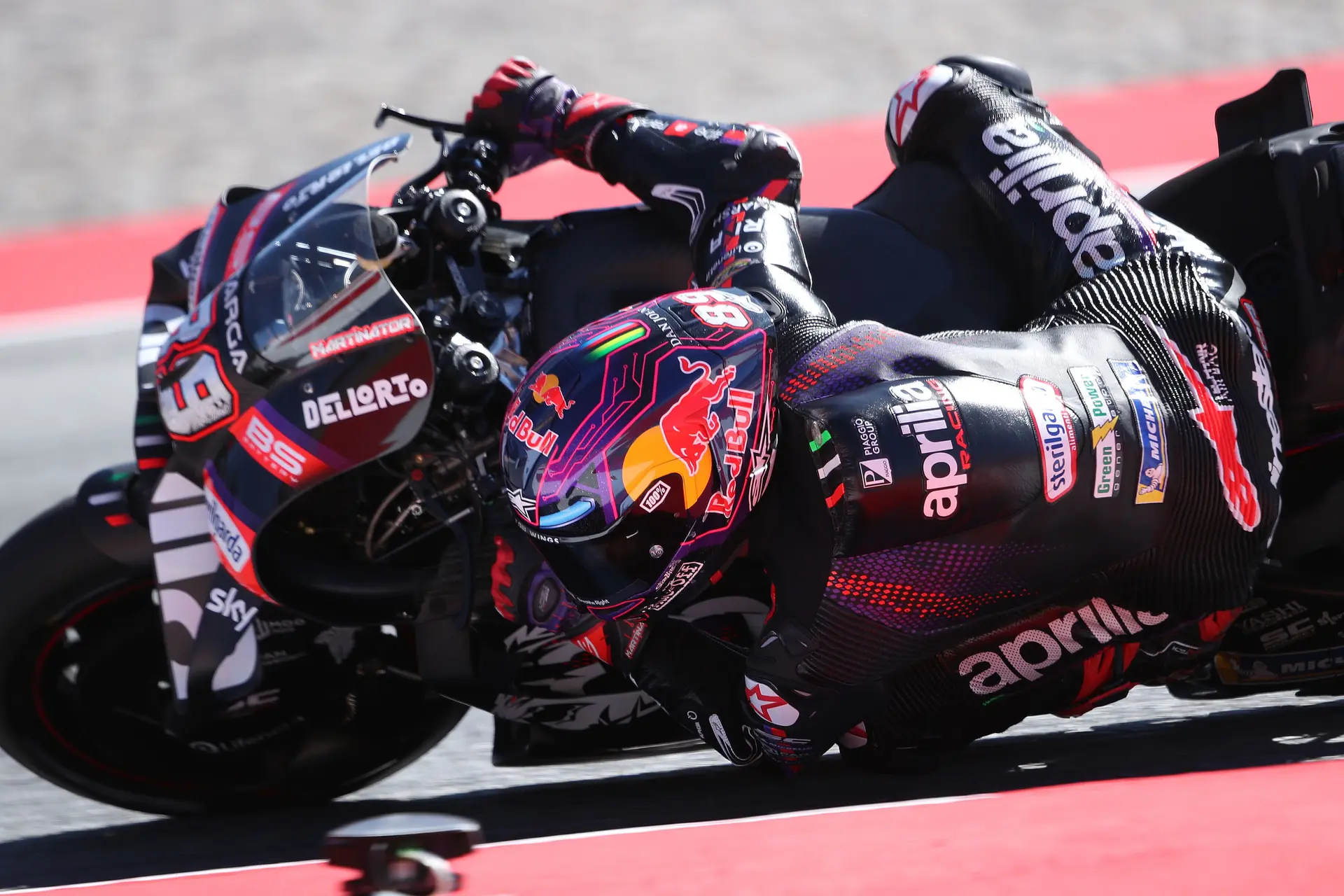
Jorge Martin, who himself suffered a terrible series of injuries in 2025, came back strong in 2026 and took his first win of the year at the French Grand Prix in Le Mans, Ai Ogura also made history at the same race by becoming the first Japanese rider to stand on the MotoGP podium in 14 years.
Following that, a dramatic race in Catalonia saw Fabio Di Giannantonio claim a first win for VR46, though the race was somewhat marred by brutal injuries to both Alex Marquez and Johann Zarco.
Bezzecchi then regained his form with a memorable home win in Mugello, but Marquez returned strong in Hungary, winning both the main race and the sprint while both Aprilias crashed out.
The Czech Grand Prix threw a major spanner in the works as Bezzecchi was disqualified for slapping a race marshal during the sprint race, and Marc Marquez capitalized with a monumental victory to narrow the chmpionship gap to just 40 points.
The Dutch Grand Prix wasn't much better for 'Bez', who crashed out on the second lap, while Trackhouse's Ai Ogura secured Japan's first MotoGP win in 22 years.
In Germany, the King of the Ring reigned supreme once again. Marc Marquez made history by equalling Agostini's record of 10 premier class victories at a single circuit, meanwhile Bezzecchi crashed during qualifying and sustained a broken collarbone.
Mexican Grand Prix
Overview
... ...
Practice 1
...
Practice 2
...
... ...
Practice 3
...
Qualification
...
... ...
Race
...
... ...
Practice 1
...
Practice 2
...
... ...
Practice 3
...
Qualification
...
... ...
Race
...
Times are in your local timezone
Popular on GPBlog
1
US Grand Prix starting grid shaken up after various power unit grid penalties
2298 times read
2
Hamilton disagrees with Verstappen: 'I don't think it's that bad'
2198 times read
3
Verstappen’s difficult race takes a surprising turn for Red Bull
1607 times read
4
Red Bull admits mistakes after Verstappen's harsh words
1564 times read
Loading